
Dinner time is sacred. It’s when taste buds dance and culinary dreams come alive. But let’s face it, not every meal is a Michelin-star experience. Some dinners leave diners questioning their life choices rather than savoring the flavors. That’s where dinner reviews come in, serving as the trusty guide through the culinary jungle.
Types Of Dinner Reviews
Dinner reviews come in various styles, reflecting different dining experiences. Understanding these types helps diners make informed choices.
Casual Dining
Casual dining reviews focus on relaxed eateries that provide a comfortable atmosphere. Diners often seek reviews highlighting affordability and flavor. Critics evaluate the menu variety, service quality, and ambiance. Reviews may mention specific dishes, emphasizing flavors and presentation. Feedback often includes wait times and overall experiences. Casual dining appeals to families, friends, and anyone looking for a laid-back meal.
Fine Dining
Fine dining reviews center on upscale restaurants, emphasizing exquisite cuisine and exceptional service. Reviews assess presentation, flavor complexity, and plating techniques. Critics often highlight the restaurant’s ambiance, selecting decor and attention to detail. Diners appreciate recommendations on wine pairings and signature dishes. Detailed observations about service pacing and staff knowledge enhance the review. Fine dining targets those seeking a unique, high-end culinary experience.
Family Style
Family-style reviews emphasize communal dining experiences where dishes are shared among guests. These reviews often highlight portion sizes, encouraging sharing and interaction. Feedback may focus on the variety of offerings and how they cater to various diets. Critics note the atmosphere, often characterized by warmth and togetherness. Specific dish recommendations enhance the communal experience. Family-style dining appeals to families or groups wanting a cozy meal together.
Key Elements Of A Dinner Review
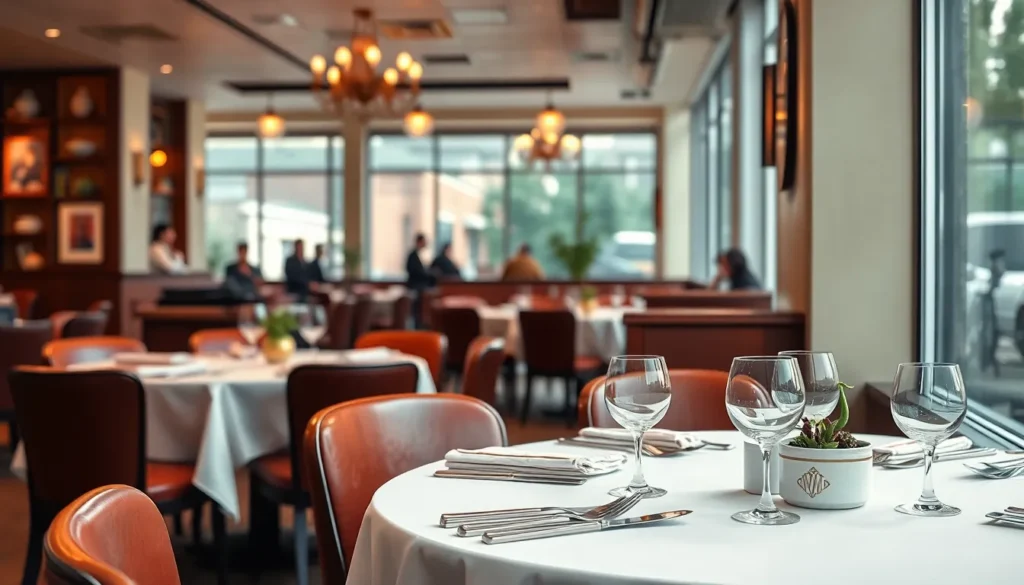
Key elements play a crucial role in crafting a comprehensive dinner review. Focusing on these aspects helps readers gauge dining experiences more effectively.
Ambiance
Ambiance significantly impacts the dining experience. A cozy atmosphere or elegant décor can set the mood for a meal. Consider aspects like lighting, music, and interior design. Dining in a bustling restaurant often evokes excitement, while a quiet bistro may promote relaxation. Personal impressions of how the setting contributes to enjoyment matter. Guests usually appreciate a balance between comfort and aesthetics, so examining these details enhances the overall evaluation.
Menu Variety
Menu variety offers insights into a restaurant’s culinary capabilities. A diverse selection indicates a commitment to catering to different tastes and dietary preferences. Diners often look for choices ranging from appetizers to desserts. Furthermore, seasonal ingredients and unique dishes may reflect creativity and freshness. Evaluating how well the menu aligns with the restaurant’s theme helps readers understand its strengths. Highlighting noteworthy options can guide future diners toward their preferred choices.
Taste and Presentation
Taste and presentation serve as critical components in any dinner review. Flavor plays a primary role in determining satisfaction, while visual appeal enhances the dining experience. Consider the balance of ingredients and how well they complement each other. Assessing texture, seasoning, and temperature contributes to an accurate evaluation. Presentation also influences first impressions; beautifully plated dishes signal attention to detail. A well-cooked meal, paired with an artful display, leaves diners eager to return for more.
Tips For Writing A Dinner Review
Creating an engaging dinner review requires attention to detail and a focus on the overall experience. Implement these tips for more impactful reviews.
Be Descriptive
Utilize vivid language to paint a picture of the meal. Describe the dish’s appearance, aroma, and flavor profile. Mention specific ingredients that stand out. For instance, instead of saying “the pasta was good,” explain how the creamy sauce complemented the herbs. Readers appreciate detailed descriptions as they transport them to that dining experience. Incorporate textures and temperatures to make the descriptions more relatable.
Focus On Experience
Highlight the dining atmosphere and service quality. Mention how the lighting created a cozy space or how the staff’s attentiveness enhanced the meal. Discuss the flow of the evening, from seating to food presentation. Readers seek more than just the food itself; they want a holistic view of the dining journey. Capturing emotional responses to the meal allows potential diners to envision their own experience.
Use Personal Anecdotes
Share personal stories that connect to the meal or restaurant. Relate how a dish evokes a memory or ties to a celebration. Personal anecdotes add authenticity and make reviews memorable. For example, describing a family gathering while enjoying lasagna fosters a connection with readers. Such narratives help others envision similar experiences and can elevate a review from mere summary to an engaging story.
Popular Platforms For Dinner Reviews
Various platforms provide valuable insights into dinner experiences. Social media, food blogs, and review websites stand out as primary resources for diners.
Social Media
Social media platforms like Instagram and Facebook serve as popular venues for dinner reviews. Users share images of their meals, highlighting visual appeal and unique presentations. Diners often include captions that describe flavors and overall experiences, creating a vivid picture of the meal. Influencers on these platforms frequently review restaurants, offering opinions that can shape dining choices. Engaging with comments allows followers to seek additional insights, fostering a community of culinary exploration. Hashtags often help categorize posts, making it easy to discover recommendations.
Food Blogs
Food blogs establish themselves as reliable sources for in-depth dinner reviews. Writers explore menus thoroughly, often including personal anecdotes that reflect their dining experiences. Comprehensive descriptions of dishes cover taste, presentation, and portion sizes, providing readers with a clear understanding of what to expect. Blogs may also discuss the restaurant’s atmosphere, service quality, and any unique features that enhance the dining experience. Many food bloggers specialize in specific cuisines, catering to niche audiences seeking targeted recommendations.
Review Websites
Review websites like Yelp and TripAdvisor play a crucial role in the decision-making process for diners. Users submit written reviews and offer star ratings based on their experiences. Detailed reviews often discuss various aspects such as service speed, decor, and menu choices, providing a well-rounded perspective. Current diners can compare reviews, making it simpler to identify trends and common praises or complaints. Many websites also aggregate data to present an overall rating, giving users a quick snapshot of the restaurant’s reputation.
Dinner reviews serve as an essential tool for anyone looking to enhance their dining experiences. By understanding the various types of reviews and their focus areas diners can navigate the culinary landscape with confidence. Engaging with platforms that offer these insights allows individuals to discover hidden gems and avoid potential disappointments.
As diners share their experiences and insights through social media and blogs they contribute to a vibrant community that celebrates food and connection. Embracing the art of dinner reviews not only enriches personal dining choices but also fosters a deeper appreciation for the diverse culinary world.