Fast food: the guilty pleasure that’s both a blessing and a curse. With its neon lights and tantalizing aromas, it lures hungry souls into a world of greasy goodness. But beneath the golden arches and crispy fries lies a complex narrative that deserves a closer look. Is it really as convenient and delicious as it seems, or is it a fast track to regret?
Overview of Fast Food Industry
The fast food industry represents a significant segment of the global market, generating over $800 billion in annual revenue. This sector includes well-known chains, such as McDonald’s, Burger King, and Subway, which dominate in various countries. These establishments appeal to countless consumers, offering quick meals at competitive prices.
Rapid expansion characterizes the industry, with new outlets opening every day. Innovations in menu offerings keep customer interest high, introducing healthier options alongside traditional favorites. Marketing strategies often highlight convenience, attracting busy individuals and families seeking easy meal solutions.
Customer demographics in the fast food market vary widely, appealing to all ages and socioeconomic backgrounds. Younger consumers, particularly millennials and Gen Z, frequently turn to fast food both for late-night snacks and social gatherings. Special promotions and meal deals enhance the industry’s popularity, effectively engaging these demographic groups.
Health concerns repeatedly arise in discussions about fast food. Critics argue that excessive consumption of these meals contributes to rising obesity rates and associated health issues. Nutritional information increasingly becomes available, leading consumers to demand healthier choices and transparent ingredients.
Sustainability also plays a growing role in the industry. Many fast food chains commit to sustainable sourcing practices, reducing waste, and minimizing environmental footprints. As consumers prioritize social responsibility, established brands adapt by implementing greener initiatives and improving their practices.
The fast food landscape continually evolves, influenced by changing consumer preferences and external factors, such as economic trends. Observers of the industry note that adapting to these trends remains crucial for survival and profitability.
Key Players in Fast Food
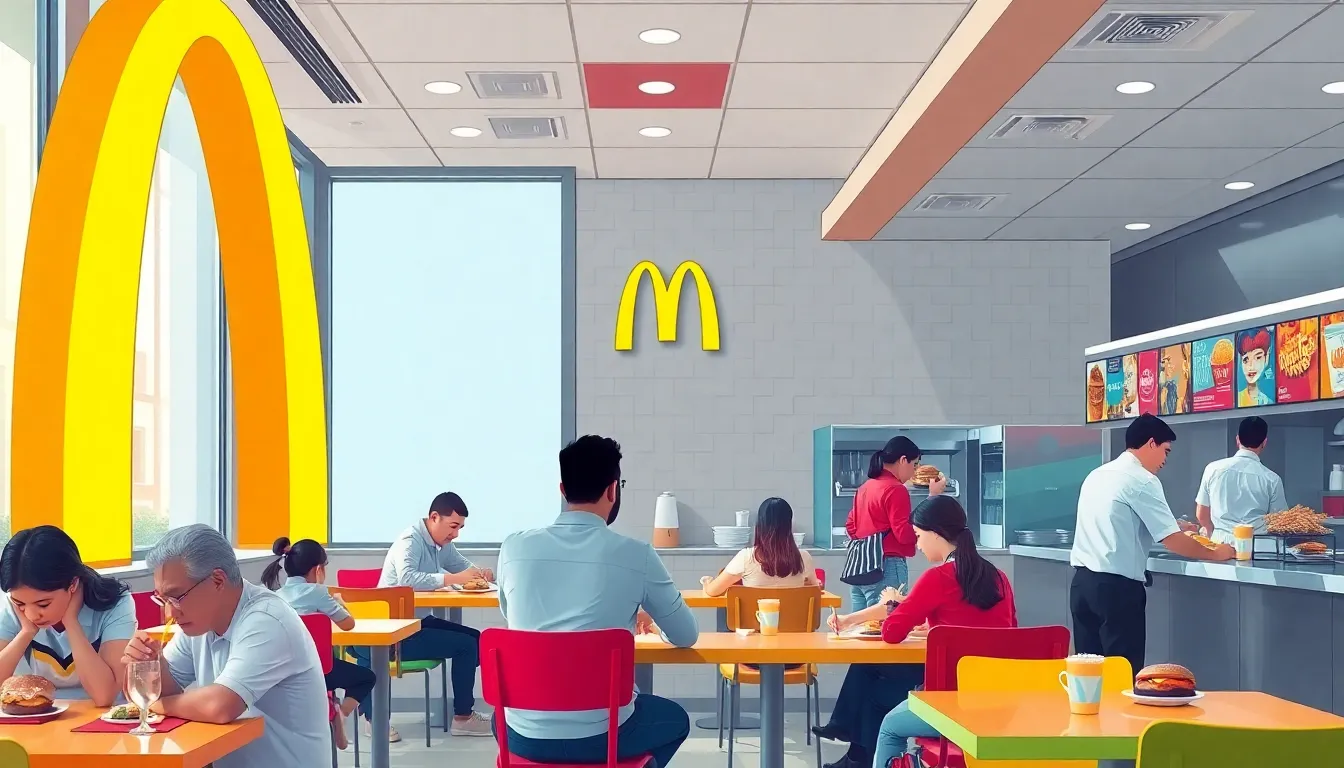
The fast food industry comprises notable leaders and emerging entities that shape its landscape. Understanding these key players reveals the dynamics of consumer preferences and market trends.
Major Fast Food Chains
McDonald’s, Burger King, and Subway dominate the fast food sector, collectively generating significant revenue. McDonald’s leads with over $46 billion in sales, showcasing its iconic Golden Arches and diverse menu. Burger King offers flame-grilled products that appeal to a broad audience, contributing to its $1.6 billion in sales. Subway boasts a unique brand identity with customizable sandwiches, luring health-conscious consumers. These established chains continuously innovate and adapt, ensuring they remain relevant by responding to customer demands for healthier options.
Emerging Competitors
Emerging brands challenge traditional fast food giants by introducing fresh concepts and ingredients. Chick-fil-A has gained traction with its focus on chicken-based meals, achieving rapid growth with sales surpassing $16 billion. Similarly, Chipotle has carved a niche in the fast casual segment, appealing to diners seeking customizable, made-to-order meals. Plant-based options are on the rise, with brands like Beyond Meat and Impossible Foods gaining popularity. These companies resonate with consumers driven by health, sustainability, and ethical considerations, reshaping the fast food market.
Nutritional Considerations
Fast food presents significant nutritional challenges alongside its convenience. Consumers often face a conflict between enjoyment and health.
Caloric Intake and Health Implications
Fast food meals frequently contain excessive calories. For instance, a standard burger might have 700 calories, while a large fry adds nearly 500 calories. Health experts link high caloric intake to weight gain and increased obesity rates. In 2023, the CDC reported that obesity affects over 42% of adults, underscoring the risks associated with fast food. Many fast food options also include high levels of saturated fats, sugars, and sodium, which contribute to chronic diseases like heart disease and diabetes. Individuals should consider these health implications when opting for fast food meals.
Ingredients and Quality
Ingredient quality often raises concerns among health-conscious consumers. Major chains prioritize cost-effective ingredients, which can compromise nutritional value. Processed components, including preservatives and artificial flavors, are common in many popular menu items. For example, some chicken nuggets contain fillers and additives designed to enhance flavor and texture. Studies reveal that these ingredients may lead to broader health issues over time. In response, several fast food chains now emphasize sourcing fresher, high-quality ingredients. Healthier options, including salads and grain bowls, increasingly appear on menus, reflecting changing consumer preferences.
Environmental Impact
Fast food chains significantly affect the environment through various practices and operations. Environmental concerns arise due to packaging waste and resource consumption.
Packaging Waste
Fast food chains generate substantial amounts of packaging waste, primarily from disposable containers and wrappers. In 2023, the fast food industry produced approximately 4.5 million tons of plastic waste annually. Many popular items come in single-use plastics, contributing heavily to landfills. Some brands are adopting biodegradable materials to mitigate this issue, but not all chains prioritize sustainable packaging. Consumer awareness drives brands to improve their waste management practices. Eco-friendly initiatives, however, vary widely among different companies, leaving room for growth in sustainability efforts.
Resource Consumption
Resource consumption in the fast food industry also raises environmental concerns. The sector relies on vast amounts of water, energy, and agricultural products, contributing to environmental degradation. Reports indicate that meat production for fast food requires around 1,800 gallons of water per pound, stressing global water supplies. Many chains utilize intensive farming practices that can lead to soil depletion and habitat loss. Improvements in sourcing practices are necessary to lessen the environmental footprint. As consumer demand shifts toward sustainable practices, some chains are beginning to explore plant-based options, showing a potential path forward for resource management.
Cultural Influence of Fast Food
Fast food plays a significant role in shaping cultures around the world. Its reach extends across countries, influencing eating habits and lifestyles.
Globalization of Fast Food
Globalization facilitates the spread of fast food chains to diverse countries, adapting their menus to cater to local tastes. McDonald’s, for instance, offers the McAloo Tikki in India. Such localization helps these brands resonate with different cultures. Moreover, international travel exposes individuals to various cuisines, leading to increased demand for fast food options globally. Approximately 68% of consumers in countries like China and Brazil recognize global fast food brands. This marks a notable shift in dining preferences, highlighting the power of fast food in global cultural exchange.
Fast Food in Popular Culture
Fast food permeates popular culture in various ways. Movies, television shows, and social media often depict fast food as a symbol of convenience and indulgence. Characters in popular films frequently enjoy classic meals like burgers and fries, reinforcing their appeal. Additionally, social media influencers promote fast food trends, engaging younger audiences with appealing visuals. About 54% of millennials and Gen Z have shared fast food experiences online, showcasing the industry’s relevance. Such exposure solidifies fast food’s status as not just a meal but a cultural phenomenon that shapes society’s eating habits and preferences.
Fast food remains a complex topic that evokes both affection and criticism. As the industry adapts to changing consumer preferences and health concerns, it faces the challenge of balancing convenience with nutritional value. The ongoing evolution of menu offerings reflects a growing awareness of sustainability and health, which has the potential to reshape the fast food landscape.
Cultural influences continue to drive the popularity of fast food, making it a staple in many societies. While its convenience and flavor appeal to many, the implications for health and the environment cannot be ignored. The future of fast food hinges on its ability to innovate responsibly while catering to the desires of a more health-conscious and environmentally aware consumer base.