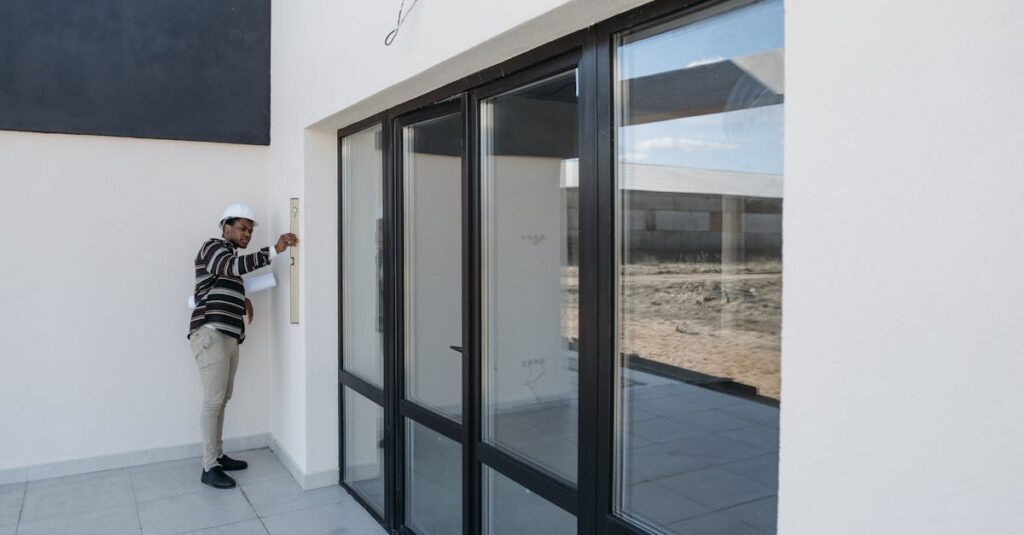
The construction industry is on the brink of a revolution, and it’s not just because of the latest power tools. With technology advancing faster than a toddler on a sugar rush, the future of construction promises to be smarter, safer, and a lot more exciting. Imagine drones zipping overhead, 3D printers churning out homes like they’re making pancakes, and robots doing the heavy lifting—literally.
Table of Contents
ToggleOverview of the Construction Industry
The construction industry plays a critical role in global economic growth, employing millions and driving advancements. Current estimates indicate that the industry generates over $10 trillion annually, reflecting its vast scale and significance. Challenges such as labor shortages and delays often hinder progress, yet innovation creates pathways for improvement.
Technological integration accelerates efficiency in projects. For example, the adoption of Building Information Modeling (BIM) enhances collaboration among stakeholders. Streamlined communication significantly reduces errors and misconceptions during the design and construction phases.
Sustainability is increasingly important. Developers are now prioritizing eco-friendly materials and energy-efficient designs. Trends indicate that green building practices are expected to grow substantially, with up to 50% of new constructions aiming for LEED certification over the next decade.
Safety measures also continue to evolve. Construction sites utilize wearables and drones for real-time monitoring, ensuring better risk assessment and injury prevention. The integration of these technologies can lead to a substantial decrease in workplace incidents.
Investment in training and skill development is essential to address the labor shortages. Programs designed to upskill workers encourage a more knowledgeable workforce ready to embrace new technologies. As a result, the industry will remain competitive and responsive to emerging challenges.
Overall, the construction landscape is set to transform as technology reshapes traditional processes, ensuring projects become faster, safer, and more sustainable. The industry’s future hinges on its ability to adapt, innovate, and leverage advancements effectively.
Current Trends Shaping the Future
Technological advancements and sustainability efforts are significantly reshaping the construction industry. As the sector adapts, new practices emerge to enhance efficiency and environmental responsibility.
Technology Integration
Innovative technologies are at the forefront of construction, driving improvements in workflow and safety. Drones, for instance, provide efficient site surveying and monitoring, allowing teams to gather data quickly. 3D printing also becomes essential for creating components on-site, reducing waste and costs. Robotics streamline repetitive tasks, freeing workers for more complex duties. Building Information Modeling (BIM) enhances collaboration by enabling real-time updates, minimizing errors and delays in projects. Wearable technology contributes to safety improvements, tracking worker health and ensuring compliance with safety protocols. Adaptation of these technologies results in a construction environment that prioritizes accuracy, speed, and worker well-being.
Sustainable Practices
A marked shift toward sustainability is evident in construction, aiming to reduce environmental impact. Eco-friendly materials increasingly replace traditional choices, promoting long-term resource conservation. Energy-efficient designs optimize resource use, enhancing building performance while meeting regulatory demands. LEED certification becomes a benchmark for new constructions, signifying commitment to sustainable practices. Companies invest in green technologies such as solar panels and rainwater harvesting systems, further minimizing ecological footprints. Collaboration with stakeholders ensures a collective approach to sustainability, solidifying a culture that prioritizes environmentally responsible strategies. Embracing these sustainable practices leads to a cleaner future for the construction industry.
Innovations in Construction
Innovations are driving profound changes in the construction industry, enhancing efficiency and safety. Key advances such as drones and robotics significantly shape project execution and logistics.
Use of Drones and Robotics
Drones play a crucial role in site surveying and progress monitoring. They capture high-resolution images and data, allowing for accurate assessments without disrupting ongoing work. Robotics, on the other hand, streamline repetitive tasks such as bricklaying and excavation. Specific robots are designed to operate autonomously, minimizing human error and increasing productivity. By deploying these technologies, construction companies can optimize project timelines and improve safety by reducing human exposure to hazards.
3D Printing and Modular Construction
3D printing stands out as a transformative practice within construction. It enables the rapid creation of building components, dramatically reducing material waste and production time. Modular construction complements this by allowing prefabricated sections to be assembled on-site efficiently. Structures built using these methods tend to consume fewer resources and allow for greater design flexibility. Organizations embracing these approaches often see enhanced project efficiency, cost savings, and improved sustainability, reinforcing their commitment to environmentally responsible construction practices.
Challenges Ahead
The construction industry faces several substantial challenges that can hinder its future growth. Key issues include labor shortages and regulatory hurdles that impact project timelines and budgets.
Labor Shortages
Labor shortages significantly affect construction projects across various regions. Over 400,000 construction jobs remain unfilled in the United States alone. Skilled workers are increasingly hard to find, primarily due to an aging workforce and lack of interest among younger generations. While companies recognize the need for investment in training, the immediate availability of qualified personnel remains a pressing concern. Apprenticeship programs offer some hope, yet attracting new talent necessitates a shift in perception about the industry’s career opportunities. Emphasizing technology integration may also spark interest among potential recruits.
Regulatory Hurdles
Regulatory hurdles complicate project execution and contribute to delays. Complex permitting processes can extend timelines by several months or even years. Different jurisdictions impose varying regulations, increasing the need for compliance expertise. As the industry leans into innovative construction practices, current regulations often lag. Adapting to new technologies, such as modular construction, meets resistance due to outdated guidelines. Continuous dialogue between industry leaders and regulators becomes essential to create frameworks that foster innovation while ensuring safety. Engaging stakeholders in this process improves the chances of navigating regulatory challenges effectively.
Future Predictions
The construction industry is navigating significant changes, shaped by technological innovations and an unwavering commitment to sustainability. Future predictions indicate that these trends will evolve, impacting various aspects of the industry.
Economic Impact
The construction sector contributes over $10 trillion to the global economy annually. Technological adoption leads to enhanced efficiency, resulting in decreased project costs and faster completion times. Robotics and 3D printing technologies streamline operations, enabling companies to meet tight deadlines and reduce labor expenses. Project delays often diminish profits, yet innovations like Building Information Modeling (BIM) can curb these setbacks by improving communication and collaboration among stakeholders. A shift toward eco-friendly practices will create new opportunities, driving demand for green construction jobs and bolstering economic growth in the coming years.
Environmental Considerations
Sustainability plays a critical role in the future of construction. Eco-friendly materials replace conventional choices, significantly reducing the industry’s carbon footprint. As energy-efficient designs gain popularity, the focus shifts to optimizing resource use throughout the building process. Transformative practices such as 3D printing and modular construction actively reduce material waste while enhancing productivity. LEED certification increasingly serves as a standard, reinforcing commitments to sustainable development. Companies investing in green technologies will foster environmental responsibility while meeting stricter regulations, positioning themselves as leaders in a rapidly changing landscape.
The construction industry stands on the brink of a transformative era. With technological advancements and a commitment to sustainability, it’s poised to redefine how projects are executed. Innovations like drones and 3D printing are not just enhancing efficiency but also prioritizing safety and reducing environmental impact.
However, challenges like labor shortages and regulatory complexities remain. Addressing these issues will be crucial for the industry’s evolution. As companies embrace new technologies and sustainable practices, the future of construction promises to be faster, safer, and more eco-friendly. The path forward requires a collaborative effort to attract talent and adapt regulations, ensuring the industry thrives in a rapidly changing landscape.