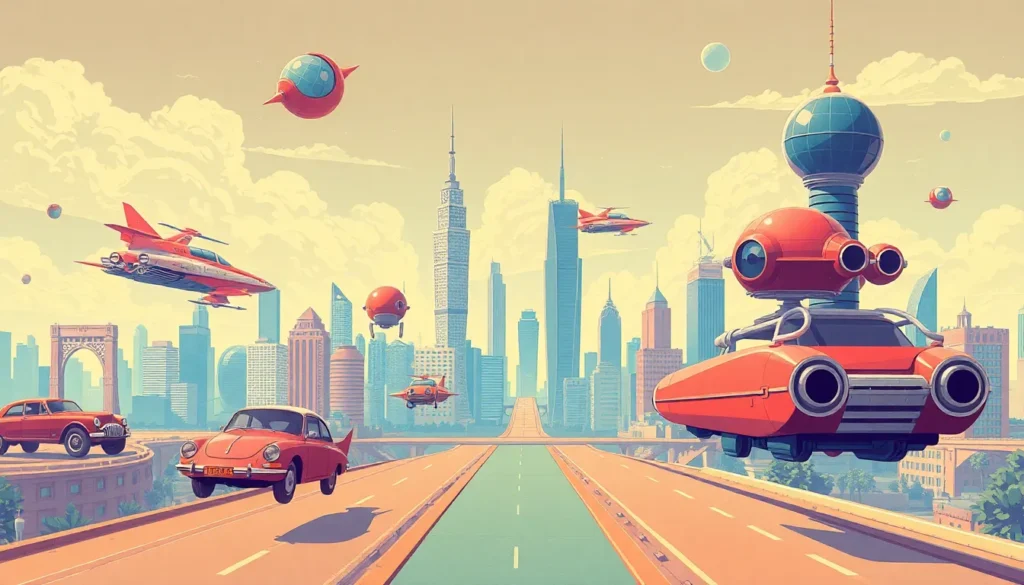
Imagine flipping through a dusty old book filled with wild predictions about the future. You might chuckle at the idea of flying cars and robot butlers, but what if those quirky forecasts hold a kernel of truth? The past is packed with bold visions that, while often hilariously off-base, reveal how people once imagined tomorrow.
Overview of Future Predictions From The Past
Past predictions about the future often appear humorous in hindsight. Nostalgic inventions showcased an optimistic outlook on technology and society. Examples include flying cars and personal robots, which highlight a blend of imagination and aspiration. Some predictions emerged from prominent figures, while others came from popular media, shaping public expectations.
Innovators frequently envisioned a world filled with convenience. For instance, the Jetsons depicted a futuristic lifestyle that captivated audiences in the 1960s. Their portrayal sets a standard for what many hoped technology would achieve. Such creative depictions often influenced real-world advancements, prompting some inventors to chase these dreams.
Societal changes also played a role in shaping predictions. People once believed automation would lead to increased leisure time, reflecting a desire for efficiency. While the actual outcome may vary, these expectations reveal deeper truths about human aspirations. Observers noted that many projections stemmed from present-day challenges.
Technological accuracy remains mixed. Some forecasts succeeded, such as communication devices resembling today’s smartphones. Others fell short; for example, the lack of widespread flying vehicles. Current trends suggest that imaginative predictions continue to inspire future innovations.
These whimsical anticipations serve as a cultural reflection. They reveal how perception influenced aspirations over decades. Remarkably, they also invite modern society to reflect on its evolving relationship with technology. As these visions shape present innovations, understanding past predictions provides unique insights into future possibilities.
Significant Predictions That Came True
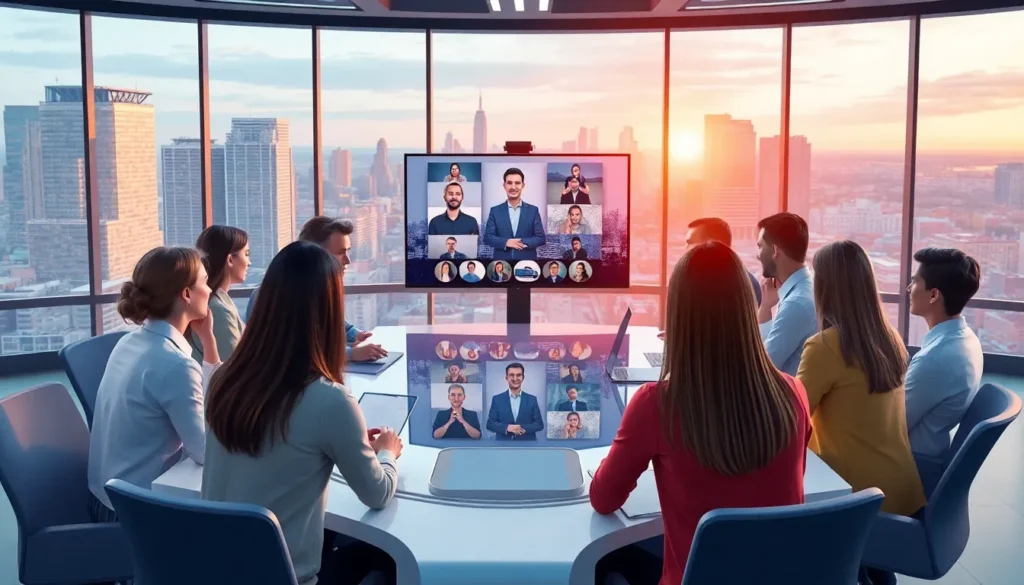
Past forecasts often envisioned radical changes that eventually came to fruition. These predictions highlight noteworthy advancements and transformations in both technology and society.
Technological Advancements
Innovators foresaw personal computers revolutionizing workplaces. The 1980s movie “Back to the Future Part II” depicted video calls, a reality today with platforms like Zoom and Skype. Science fiction writers also hinted at artificial intelligence. Fast forward to now, AI powers various applications, enhancing tasks like customer service and data analysis. Predictions about space travel also ignited interest, evidenced by SpaceX’s recent missions. Imagining a future filled with interconnected devices, early futurists anticipated the Internet of Things, which has since become essential in homes and businesses worldwide.
Societal Changes
Common predictions included the rise of remote work and its impact on lifestyle. Authors warned about urban overpopulation while advocating for telecommuting before the digital era. Changes in transportation methods were also foreseen; electric vehicles now dominate discussions, addressing environmental concerns. Gender roles evolved as the push for gender equality gained momentum, and many predicted this societal shift decades ago. Transformations in education, with online learning becoming the norm, showcased foresight into how technology would redefine classrooms. These societal changes reflect earlier insights into evolving human interactions and aspirations.
Predictions That Missed The Mark
Past predictions often missed the mark, highlighting the unpredictability of innovation and change. Some forecasts imagined technological breakthroughs that simply never came to fruition.
Overestimated Innovations
Flying cars represented the pinnacle of futuristic predictions in the mid-20th century. Enthusiasts envisioned vehicles zipping through the skies, transforming daily commutes. However, this concept faced numerous challenges: safety, regulation, and infrastructure proved too complex to overcome. Similarly, jetpacks captured imaginations but failed to materialize as everyday devices. Despite advancements in technology, practical limitations rendered these innovations impractical for mass use. Nostalgia lingers for these concepts, yet reality diverged sharply from those ambitious visions.
Underestimated Impact
While some technologies fell short, others revolutionized society in unexpected ways. The internet’s rapid growth exceeded early predictions, reshaping how people communicate and access information. Smartphones emerged as vital tools, altering social interactions and business practices. Innovators underestimated the influence of social media platforms, which changed marketing dynamics and created new career paths. Likewise, the impact of artificial intelligence on various industries surprised many experts. These unforeseen developments demonstrate how human creativity can exceed original expectations, highlighting the unpredictability of progress.
The Role of Media in Shaping Expectations
Media significantly influences how society envisions the future. It shapes public perception through storytelling, dramatizing technological advancements, and societal changes.
Influence of Literature and Film
Literature and film often reflect society’s hopes and fears about the future. Influential works, like Jules Verne’s “From the Earth to the Moon,” inspired ideas of space exploration that later became reality. Additionally, “Star Trek” introduced concepts like communicators, which led to the creation of modern mobile phones. Such narratives create a framework within which audiences inform their expectations of technological progress. Writers and filmmakers tap into cultural aspirations, offering visions that resonate across generations.
Predictions in News and Journalism
News and journalism play a critical role in conveying future predictions. Journalistic reports, especially during technological revolutions, highlight compelling stories about emerging inventions. Publications in the late 20th century predicted home computers would transform daily tasks, a foresight that materialized with the advent of the internet. Moreover, investigative journalism exposes the societal implications of predicted innovations. As a result, readers develop a clearer understanding of potential futures, shaping their expectations based on reported insights.
Lessons Learned From Past Predictions
Past predictions provide valuable lessons about human creativity and aspirations. Many forecasts reflect not only technological wishes but also societal trends. Analysts noted how these whims shaped expectations, showcasing both optimism and naivety.
Flying cars and jetpacks often represent the humorous side of overestimation. Innovations like these faced practical challenges, demonstrating limitations that hindered their realization. In contrast, the advent of smartphones evolved into a societal game-changer, illustrating how some technology exceeded initial expectations.
Revolutionary foresights, such as the portrayal of video calls in the 1980s film “Back to the Future Part II,” proved prescient. Actual platforms like Zoom and Skype now make such interactions routine. Space travel predictions also materialized, with SpaceX achieving milestones once deemed far-off visions.
Media plays a crucial role in shaping these predictions. Classic literature, like Jules Verne’s works, inspired generations to explore the possibilities of technology. Iconic series like “Star Trek” sparked imaginations and influenced innovation in real-world applications.
Cultural reflections emerge when analyzing these whimsical expectations. Observing how societal aspirations influenced predictions helps understand the ongoing relationship between technology and human creativity. These glimpses into the past highlight the unexpected paths innovations can take, reminding society to remain open to future possibilities.
The exploration of past predictions about the future reveals a fascinating interplay between imagination and reality. These forecasts not only entertain but also reflect the hopes and aspirations of their time. While some predictions missed the mark entirely others have shaped the world in profound ways.
As society continues to evolve it’s essential to recognize the lessons these whimsical visions offer. They remind us of the boundless potential of human creativity and innovation. The journey from fanciful ideas to tangible advancements invites a sense of curiosity about what the future holds. Embracing this spirit of exploration can inspire new generations to dream big and push the boundaries of what’s possible.