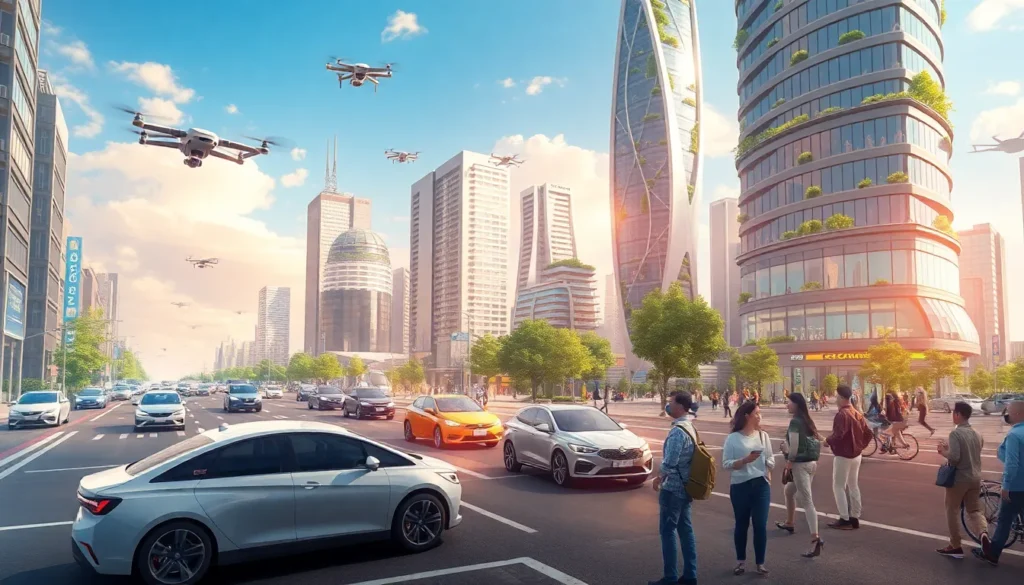
Imagine a world in 2050 where your coffee brews itself while your fridge orders groceries based on your mood. Sounds like a sci-fi movie, right? But as technology races ahead, those quirky predictions might just become everyday reality. From self-driving cars that know your favorite playlist to AI companions that can actually understand your jokes, the future is packed with possibilities that could make life easier and a lot more fun.
As we dive into the crystal ball of technology, it’s time to explore what innovations might be lurking just around the corner. Buckle up for a wild ride through the realms of artificial intelligence, virtual reality, and beyond. The future isn’t just bright—it’s downright dazzling! Get ready to discover what 2050 might hold and how these advancements could change the way we live, work, and play.
Overview of Future Technology Predictions 2050
The vision for 2050 presents a landscape where technology dramatically transforms daily experiences. Self-driving cars dominate roadways, providing safe and efficient transportation options. Artificial intelligence reaches unprecedented levels, enhancing decision-making processes in numerous fields. Smart fridges adjust their contents according to individual preferences, eliminating guesswork in meal preparation.
Virtual reality experiences offer immersive interactions that blur the lines between digital and physical realities. These advancements might not only entertain but also reshape educational methods, promoting engaging learning environments. Autonomous drones and robots handle logistics and deliveries, streamlining supply chains and boosting efficiency.
Healthcare innovations could include personalized medicine facilitated by genetic data, allowing treatments tailored to individual patients. Wearable devices monitor health metrics in real-time, proactively addressing issues before they escalate. Connectivity continues to expand through 5G, enabling seamless integration of smart devices into everyday life.
Smart homes emerge as centralized hubs where everything from lighting to climate control is automated. These homes adapt to residents’ moods and preferences, optimizing comfort and energy efficiency. Predictions suggest the rise of AI companions that provide support and companionship, enriching social interactions.
Sustainability trends dominate future technology, with advancements in renewable energy making significant strides. Solar panels and wind turbines become more efficient, reducing dependence on fossil fuels. Innovations in recycling and waste management enhance urban living by promoting a circular economy.
The future of technology in 2050 reveals a complex interplay of innovation that enhances convenience, efficiency, and overall quality of life. Each advancement intertwines, promising to create a world where technology seamlessly integrates with daily activities.
Artificial Intelligence Advancements
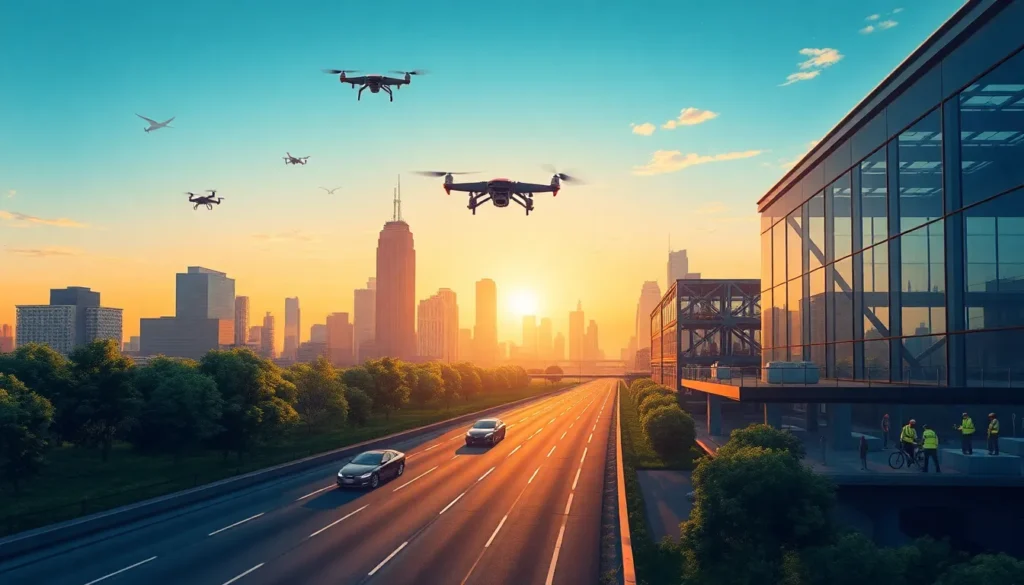
Artificial intelligence in 2050 promises extraordinary advancements that transform various sectors. Innovations like autonomous systems play a vital role in shaping efficient, daily operations.
Autonomous Systems
Autonomous systems take center stage in transportation and logistics. Driverless vehicles deliver not just passengers but also goods, significantly reducing delivery times. Drones operate autonomously, navigating complex environments to transport products and conduct inspections. Advanced algorithms ensure these systems adapt in real time, responding to dynamic circumstances on the ground and in the air. Robotics simplifies manufacturing processes, enhancing precision and safety for workers. Integration with AI guarantees optimal operation and resource allocation, promoting sustainability and reducing waste.
Enhanced Machine Learning
Enhanced machine learning revolutionizes data analysis and application. Algorithms analyze vast datasets quickly, identifying patterns that humans might miss. Improvements in reinforcement learning enable systems to make proactive decisions based on real-time feedback. Industries, including healthcare and finance, benefit from accurate predictive models that drive better outcomes and profitability. Machine learning models continually refine themselves with accumulated data, boosting overall performance and efficiency. This evolution leads to smarter applications, from virtual assistants that understand user needs to sophisticated fraud detection systems that safeguard financial transactions.
Communication Evolution
The communication landscape in 2050 reflects significant advancements driven by technology. Innovations such as 6G networks enhance connectivity, facilitating seamless interactions across devices and platforms.
6G and Beyond
6G networks boast speeds exceeding 1 terabit per second, enabling instantaneous data transfer. This increased bandwidth supports applications like holographic calls, creating immersive communication experiences. Such technology fosters collaboration by allowing users to connect in real-time, regardless of location. Furthermore, artificial intelligence integrated into network management optimizes performance, ensuring efficient data flow. With enhanced security features, users experience better protection against cyber threats while enjoying advanced communication methods.
Virtual and Augmented Reality
Virtual and augmented reality transform how individuals engage and share information. These technologies enable virtual meetings that mimic real-world interactions, enhancing collaboration. Users can navigate shared digital spaces, fostering teamwork through immersive experiences. Retail expands into virtual environments, allowing customers to experience products before purchasing them. Education benefits from augmented reality tools that bring learning materials to life, enhancing engagement in classrooms. As these technologies become prevalent, they redefine personal and professional communication, bridging gaps between physical and virtual realms.
Sustainable Technologies
Sustainable technologies will play a vital role in shaping the future by focusing on climate change and environmental conservation. Innovations in this area promise to enhance quality of life while reducing ecological footprints.
Renewable Energy Innovations
Advancements in renewable energy systems promise to revolutionize energy consumption in 2050. Solar panels are becoming more efficient, enabling homes to generate electricity with minimal impact. Wind energy technology is also evolving, with larger turbines capturing more wind and providing power to urban centers. Energy storage solutions, such as advanced batteries, improve usage during peak times. Hydrogen fuel cells could emerge as a clean alternative, providing energy for transportation and industries while emitting only water vapor. These innovations collectively support a transition to clean energy, significantly decreasing reliance on fossil fuels.
Smart Cities Development
Smart cities embody futuristic urban living by integrating technology into infrastructure. Sensors collect real-time data, optimizing traffic flow and reducing congestion. Public transportation systems might utilize AI to enhance scheduling and improve accessibility for residents. Green spaces will incorporate sustainable materials, promoting biodiversity and enhancing urban landscapes. Additionally, energy-efficient buildings might feature smart systems that adjust lighting and temperature based on occupancy. This holistic approach significantly ramps up quality of life and environmental responsibility, paving the way for a sustainable urban future.
Health and Biotechnology
Innovations in health and biotechnology are poised to redefine wellness by 2050. These advancements promise transformative changes in healthcare delivery and patient outcomes.
Personalized Medicine
Personalized medicine tailors treatment plans to individual genetic profiles. Doctors utilize genetic data to customize therapies, ensuring higher efficacy and minimal side effects. Pharmacogenomics evolves to determine optimal medication types and dosages based on a person’s genetic makeup. With advancements in data analytics, healthcare providers accurately predict disease risk and recommend preventive measures. Real-time health monitoring through wearable devices allows for immediate adjustments in treatments. As a result, effective management of chronic conditions sees remarkable improvement, enhancing overall patient quality of life.
Genetic Engineering Breakthroughs
Genetic engineering breakthroughs include techniques like CRISPR enhancing gene editing capabilities. Scientists edit genes precisely, potentially eradicating genetic disorders before they manifest. Advanced biotechnologies allow for the creation of genetically modified organisms with desirable traits, improving food security and sustainability. These innovations aim to increase crop yields while reducing reliance on chemical fertilizers. Additionally, breakthroughs in synthetic biology lead to the development of bioengineered tissues and organs for transplantation. Such developments promise to address organ shortages, significantly impacting healthcare systems. Overall, the potential of genetic engineering in 2050 enhances both health and nutrition.
The vision for 2050 paints a remarkable picture of how technology can enrich lives. With innovations that prioritize convenience and sustainability, everyday activities will become more enjoyable and efficient.
As self-driving cars and AI companions redefine transportation and companionship, the landscape of urban living will transform. Smart homes and cities will adapt to individual needs, creating a seamless integration of technology into daily routines.
Healthcare advancements promise personalized treatments and real-time monitoring, enhancing overall well-being. The future holds endless possibilities, inviting everyone to embrace the changes that technology will bring and to look forward to a world where innovation drives progress and improves quality of life.