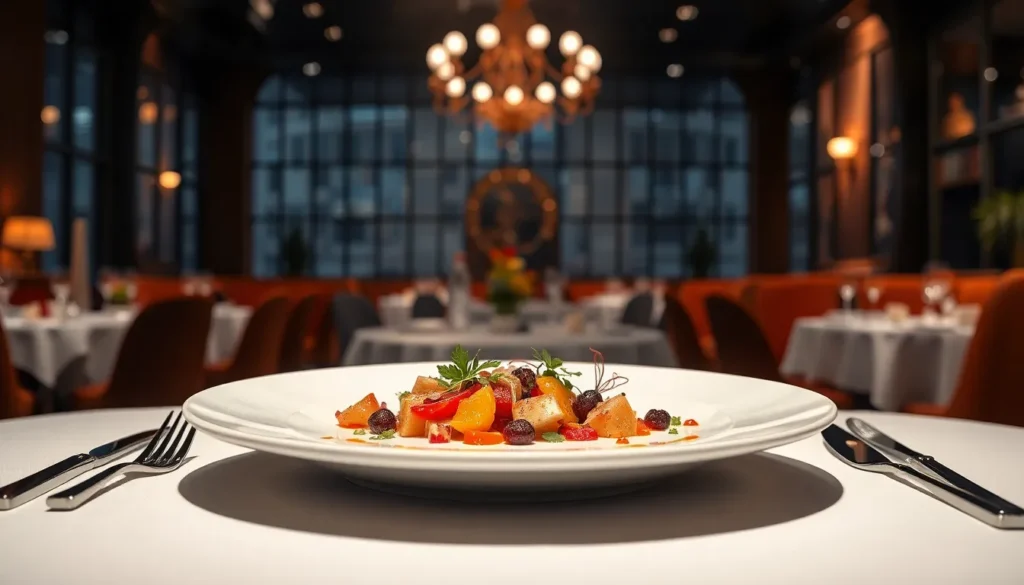
Imagine stepping into a world where food transforms into art and every bite feels like a celebration. Gourmet dining isn’t just about eating; it’s an experience that tantalizes the senses and ignites the imagination. From intricate plating to unexpected flavor combinations, it’s where culinary dreams come true and your taste buds throw a party.
What Is Gourmet Dining?
Gourmet dining encompasses a sophisticated culinary experience that elevates food to an art form. This approach focuses on the aesthetic and sensory aspects of dining.
Definition of Gourmet
Gourmet refers to high-quality food and fine dining prepared with exceptional skill and creativity. It emphasizes premium ingredients, meticulous techniques, and unique flavor profiles. Diners often seek gourmet experiences for the artful presentation and the intricate balance of flavors that enhance the meal.
Characteristics of Gourmet Cuisine
Gourmet cuisine showcases several distinct characteristics that set it apart. It features exceptional ingredients, which often include organic produce and artisanal products. Chefs display skillful preparation methods through techniques such as sous-vide or fermentation. Presentation plays a crucial role, with dishes designed to offer visual appeal alongside taste. Lastly, portion sizes tend to be smaller, allowing for a focus on quality rather than quantity.
The Evolution of Gourmet Dining
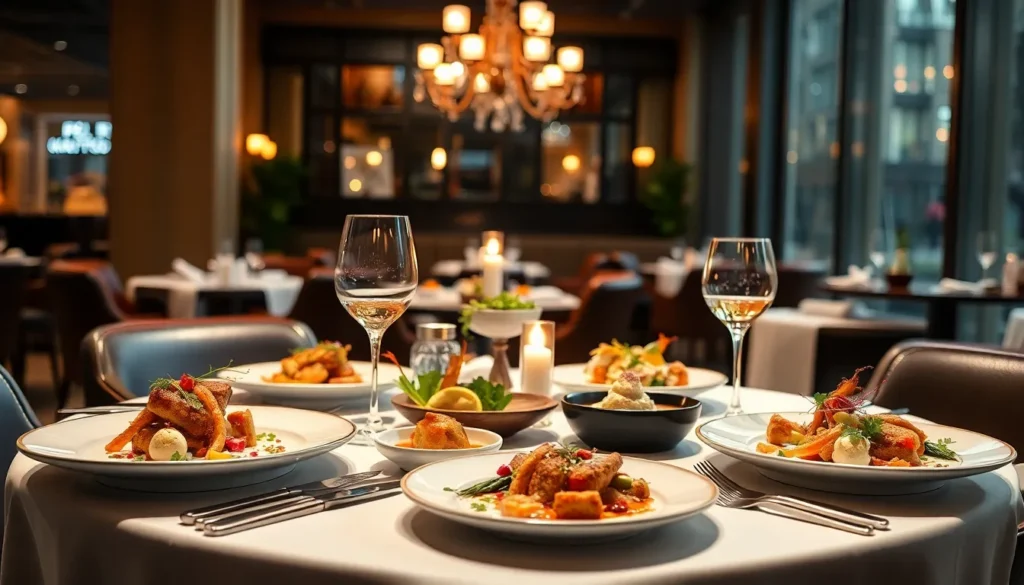
Gourmet dining has evolved significantly over the centuries, transforming culinary practices and societal perceptions regarding food.
Historical Background
Gourmet dining has roots in the French culinary tradition, dating back to the 18th century. Chefs like Marie-Antoine Carême revolutionized cuisine with elaborate techniques and presentations. By the 19th century, haute cuisine emerged, emphasizing refined flavors and formal dining rituals. As time progressed, gourmet dining became synonymous with elite social gatherings and luxurious experiences. The 20th century saw the rise of nouvelle cuisine, which focused on lighter dishes, fresh ingredients, and innovative presentation styles. In this context, gourmet dining transitioned from mere sustenance to an art form valued for its creativity and skill.
Modern Trends in Gourmet Dining
Current trends in gourmet dining reflect a blend of tradition and innovation. Sustainability plays a crucial role, with many chefs prioritizing locally sourced ingredients. Farm-to-table concepts have gained traction, emphasizing freshness and environmental responsibility. The popularity of fusion cuisine has introduced diverse flavors and techniques from various cultures. Diners now seek interactive culinary experiences, such as chef’s tables and tasting menus. Additionally, technology influences presentations, with digital tools enhancing visual appeal. Gourmet dining continues to adapt to evolving consumer preferences, showcasing creativity and commitment to quality.
Key Components of Gourmet Dining
Gourmet dining encompasses several essential elements that elevate the dining experience to an art form. Key aspects include ingredients, sourcing, and presentation.
Ingredients and Sourcing
Premium ingredients serve as the backbone of gourmet cuisine. Chefs prioritize quality by sourcing organic produce, sustainably caught seafood, and ethically raised meats. Local farms and artisanal producers often provide these high-quality items. Rare and exotic ingredients frequently appear on menus, showcasing the chef’s creativity and commitment to exceptional flavors. These choices enhance the overall dining experience, reflecting a dedication to authenticity and taste.
Presentation and Plating
Presentation plays a crucial role in gourmet dining. Chefs meticulously craft each dish, ensuring visually appealing arrangements that stimulate the senses. Creative plating techniques engage diners, transforming food into an artistic display. Color, texture, and composition contribute to the aesthetic allure. Dynamic presentations encourage culinary exploration, allowing guests to appreciate every element of the dish. In this way, visual artistry not only complements flavors but also enhances the entire dining experience.
The Experience of Gourmet Dining
Gourmet dining offers an immersive adventure that engages all senses, going beyond just food consumption.
Ambiance and Atmosphere
Ambiance significantly influences the dining experience. Dim lighting and elegant decor create an inviting setting, enhancing appreciation for the meal. Soft music complements the atmosphere, promoting relaxation and enjoyment. Upscale restaurants often incorporate unique design elements, fostering a memorable environment. Every detail, from table settings to artwork, plays a role in establishing the overall vibe. Diners may find themselves captivated by the carefully curated atmosphere, making their dining experience unforgettable.
Service and Hospitality
Exceptional service elevates gourmet dining to new heights. Attentive staff ensures every need is met, enhancing guest satisfaction. Knowledgeable servers provide insights into the menu, guiding diners through seasonal offerings and wine pairings. Personalized attention fosters a sense of exclusivity and care. Chefs may occasionally visit tables, creating a connection between the kitchen and diners. Such interactions enrich the experience, turning a meal into a unique occasion tailored to individual preferences.
Gourmet dining isn’t just about food; it’s an experience that engages the senses and elevates culinary artistry. With a focus on high-quality ingredients and meticulous preparation techniques chefs create dishes that are both visually stunning and flavorful. The ambiance and exceptional service further enhance this immersive journey making each meal a memorable occasion.
As gourmet dining continues to evolve it embraces sustainability and innovation while honoring its rich history. This dynamic blend ensures that every dining experience remains unique and tailored to individual preferences. Ultimately gourmet dining invites diners to appreciate food as an art form that transcends the ordinary.