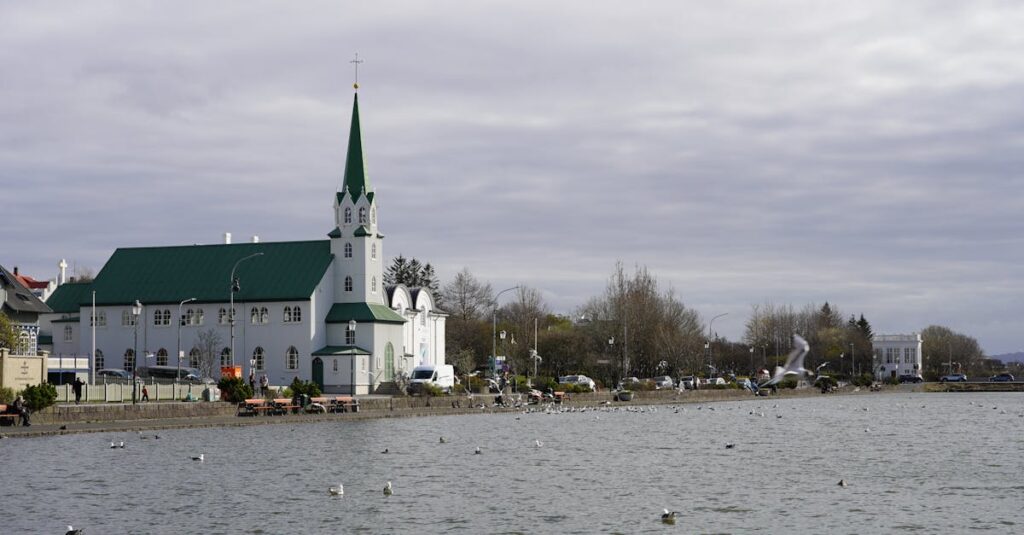
Dreaming of Iceland? Who wouldn’t want to soak in geothermal hot springs while surrounded by stunning glaciers and majestic waterfalls? But before packing that parka, it’s crucial to tackle the elephant in the room: the budget. Iceland is known for its breathtaking landscapes, but it’s also infamous for its wallet-draining prices.
Table of Contents
ToggleOverview of Iceland Travel Budget
Traveling in Iceland requires careful financial planning. Daily expenses, such as accommodations, food, transportation, and activities, significantly impact the overall budget. Average lodging costs range from $100 to $300 per night for hotels, while hostels offer rates between $25 and $80.
Food expenses also contribute to the budget. Dining at restaurants typically costs $15 to $40 per meal. For budget-conscious travelers, grocery shopping provides more affordable options. In supermarkets, a meal can be made for around $7 to $15.
Transportation plays a crucial role in budgeting. Renting a car costs about $50 to $140 per day, depending on the vehicle type and rental duration. Public transportation presents a more economical choice, especially within Reykjavik. Buses charge fare in the range of $3 to $5.
Attractions add to the expenses, with many natural sites being free. Popular destinations, such as the Blue Lagoon, charge entrance fees of approximately $60 to $100. Booking tours can range from $50 for shorter excursions to over $200 for full-day adventures.
Travelers should allocate a minimum of $100 to $200 daily for a comfortable experience. Costs vary based on individual preferences, travel style, and route choices. Budgeting for unexpected expenses is wise, as Iceland can surprise with costs in certain regions or seasons. Planning allows for an enjoyable experience without financial strain.
Accommodation Costs
Accommodation in Iceland significantly affects the travel budget. Prices vary according to location, type, and booking period.
Hotels and Guesthouses
Hotels and guesthouses provide diverse options for travelers. Average costs range from $100 to $300 per night, with prices peaking during peak tourist seasons. Hotels often offer amenities such as breakfast and Wi-Fi, enhancing the stay’s comfort. Guesthouses provide a cozy experience with a local touch, often at lower rates. For those seeking unique stays, boutique hotels in Reykjavik may attract a budget-conscious traveler. Booking in advance typically ensures better rates and availability.
Hostels and Airbnbs
Hostels and Airbnbs cater to budget travelers searching for affordable stays. Prices for hostels vary between $25 and $80 per night, appealing to solo travelers or groups. Shared accommodations promote social interaction among guests. Airbnb options provide an alternative, with entire homes or private rooms available. Based on location and size, costs vary, but potential savings exist in cooking personal meals. Booking platforms allow for easy comparisons and filtering based on preferences to find the best deals.
Transportation Expenses
Transportation expenses play a significant role in the overall travel budget for Iceland.
Flights to Iceland
Airfare varies based on the departure city and time of year. Round-trip flights to Reykjavik often range from $300 to $800 depending on the booking period and airline. Off-peak travel can yield lower rates, while summer months typically see higher prices due to demand. Travelers should book tickets in advance for the best deals. Some major airlines offer direct flights, which save time. Other itineraries might include connecting flights, affecting travel duration. Budget airlines may provide additional options, but travelers should factor in luggage fees.
Getting Around in Iceland
Getting around in Iceland can be done through various options, each impacting the budget differently. Car rentals cost between $50 and $140 per day, depending on the type and rental duration. Gas prices are relatively high, averaging around $7 per gallon. Public transportation in Reykjavik offers a more economical alternative, with bus tickets costing between $3 and $5 each way. Taxis are available but can be expensive and are better suited for shorter distances. For exploration outside the capital, consider guided tours, which provide transportation to popular sights. Booking in advance often secures better pricing on tours and rentals.
Food and Dining Budget
Dining in Iceland can strain a travel budget. With meal prices often higher than in many countries, planning helps travelers manage costs effectively.
Average Meal Prices
Dining out typically costs between $15 and $40 per meal. Fast food options are available, often at the lower end of the price range. For budget-friendly dining, travelers can visit grocery stores, where meal ingredients average around $7 to $15. Takeaway meals and smaller cafés also provide affordable choices. While fine dining experiences can exceed $60 per person, many visitors find it beneficial to combine restaurant meals with self-prepared options for variety and savings.
Tips for Saving on Food
Preparing meals in accommodations significantly reduces food expenses. Many guesthouses and hostels offer kitchen access, making cooking convenient. Shopping at local supermarkets like Bonus or Kronan provides budget-friendly ingredients. Additionally, packing snacks for day trips helps avoid costly meals on the go. Drinking water is free, so carrying a reusable bottle makes sense. Exploring food trucks and casual eateries offers a taste of Icelandic cuisine without overspending. Taking advantage of lunch specials often yields substantial savings compared to dinner pricing.
Activities and Attractions
Iceland offers a range of engaging activities and attractions, catering to various budgets. Travelers can explore stunning landscapes and unique experiences while managing costs effectively.
Free and Low-Cost Activities
Natural wonders abound in Iceland, presenting numerous free activities. Hiking trails lead to breathtaking views, with locations like Þingvellir National Park showcasing tectonic rifts. Wildlife enthusiasts enjoy bird watching at places like the Dyrhólaey cliffs. Geothermal areas, including hot springs and mud pots, provide visual delights without entrance fees. Free stargazing during clear nights introduces travelers to Iceland’s celestial beauty. Additionally, the vibrant city of Reykjavik invites exploration through its colorful streets, street art, and public parks. Budget-conscious visitors can also find local festivals or events, offering cultural insight without a cost.
Paid Attractions and Tours
While many attractions are free, specific paid experiences enrich a visit to Iceland. The Blue Lagoon’s entrance fee typically ranges from $60 to $100, offering relaxation in mineral-rich waters. Guided tours, including Golden Circle excursions, often cost between $50 and $150, granting access to iconic sights like Geysir and Gullfoss waterfall. Whale watching tours present another unforgettable option, with rates averaging $70 to $130, showcasing Iceland’s rich marine life. Glacier hiking and ice climbing tours demand higher budgets, starting around $100 and can exceed $300, depending on the level of expertise required. Investing in a few paid experiences enhances an adventure while showcasing Iceland’s diverse attractions.
Traveling to Iceland offers an unforgettable experience filled with breathtaking landscapes and unique cultural encounters. However, being mindful of the associated costs is crucial for a smooth journey. With careful budgeting and planning, travelers can enjoy the stunning beauty and rich experiences Iceland has to offer without overspending.
By considering accommodation options, transportation methods, and dining choices, visitors can create a balanced itinerary that fits their financial plans. Embracing both free and paid activities allows for a diverse exploration of this remarkable destination. Ultimately, a well-prepared budget ensures that the adventure in Iceland remains memorable and enjoyable.