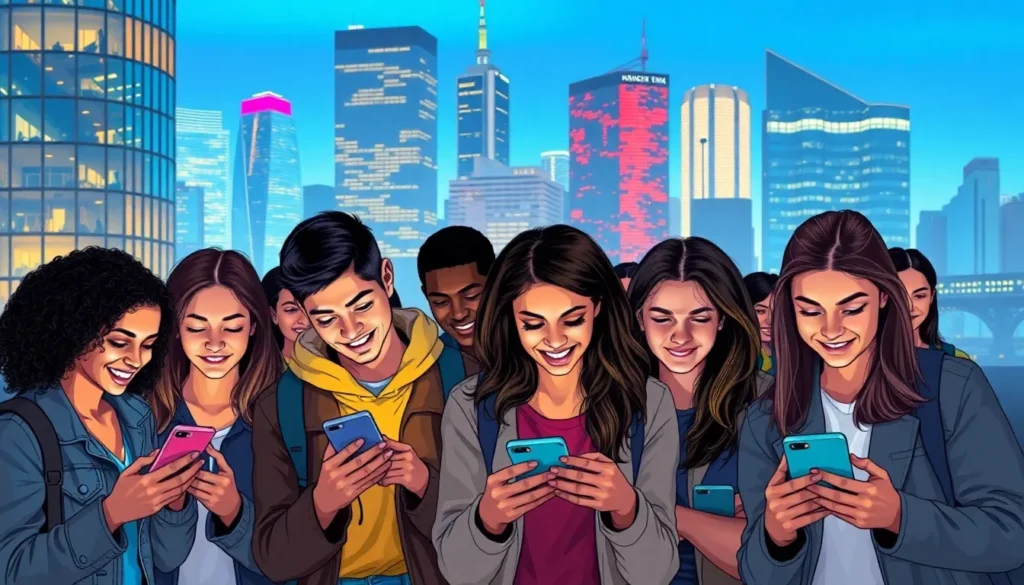
In a world where the latest smartphone can do more than a room full of 90s gadgets, media transformation is the name of the game. Gone are the days of flipping through newspapers or waiting for the evening news. Now, information comes at lightning speed, often with a side of cat videos. It’s a wild ride, and those who don’t adapt might just find themselves stuck in a time warp, reminiscing about dial-up internet while the rest of us are streaming in 8K. To capture this shift with humor, many turn to a meme creator online to highlight the contrast between old-school tech and today’s instant, always-on media culture.
Overview of Media Transformation
Media transformation encapsulates the significant evolution within the communication landscape, primarily driven by digital advancements. Traditional media formats, including print newspapers and broadcast television, face unprecedented challenges as audiences shift toward mobile devices and online platforms.
Smartphones have emerged as the dominant medium, replacing several gadgets from the 1990s and enabling multifunctional access to information. Instant information retrieval has drastically altered consumption habits, allowing users to obtain news and entertainment at their convenience.
Social media platforms play a crucial role in this transformation by facilitating user-generated content. Influencers and everyday users alike produce videos, articles, and podcasts, contributing to a diversified media ecosystem. These platforms prioritize engagement and interactivity, further distancing themselves from passive forms of media consumption.
Digital streaming services also revolutionize how individuals access entertainment. On-demand services provide users with immediate access to films, shows, and music, creating a departure from fixed schedules and the necessity of finding time to watch or listen.
Adaptation challenges persist, as traditional media companies innovate to stay relevant. Many have embraced digital subscriptions and engaged with online audiences to improve their services. The competitive landscape will continue to evolve, dictating how media companies operate.
With the rise of smart technology and artificial intelligence, further changes are anticipated. Personalization will shape content delivery, ensuring individuals receive tailored information based on their preferences. This ongoing transformation demands continual adaptation and responsiveness from all media stakeholders.
Historical Context

Media transformation has roots tracing back through profound shifts in technology and society. Understanding this background provides insight into the landscape today.
Evolution of Media Forms
Printing press innovations in the 15th century significantly changed how information disseminated. Newspapers emerged as primary news sources, later followed by radio broadcasts in the early 20th century. Television transformed entertainment in the 1950s, allowing families to access live events in their homes. Each form introduced unique storytelling methods and audience engagement strategies. In the digital age, social media platforms dominate, replacing traditional content distribution with user-generated material. This evolution illustrates a gradual departure from passive consumption to interactive participation.
Impact of Technology
Technology has driven major developments in media accessibility and consumption. Mobile devices have made it possible for audiences to carry vast libraries in their pockets. Instant access to news and information shifted preferences from scheduled broadcasts to on-demand content. Streaming services altered viewing habits, enabling users to choose when and what to watch. These advancements resulted in a reshaped media landscape where traditional outlets now face increased competition. Digital tools and platforms foster engagement, revolutionizing how media interacts with audiences.
Key Drivers of Media Transformation
Media transformation results from various factors that reshape how content is created and consumed. Among these, digital disruption and changing consumer behaviors significantly contribute to the evolving landscape.
Digital Disruption
Digital disruption profoundly impacts media operations. Streaming platforms replace traditional broadcasting, providing viewers more choices. Innovations such as social media enable instant content sharing, altering audience engagement. Changes in advertising models occur as brands shift from traditional outlets to digital spaces. This shift emphasizes real-time interaction, allowing consumers to influence media narratives directly. Overall, digital technology drives significant changes in how individuals access and engage with content.
Changing Consumer Behaviors
Consumer behaviors continually evolve alongside technological advancements. On-demand viewing becomes the norm as audiences prefer flexibility over scheduled programming. Mobile devices facilitate instant access to diverse media, shaping preferences for quick, easily digestible formats. People increasingly favor interactive experiences, often participating in discussions about their favorite shows and content online. Additionally, the rise of personalized content recommendations caters to individual tastes, making media consumption more tailored and relevant. These behavioral shifts push media companies to adapt constantly, ensuring they meet audience demands.
Current Trends in Media Transformation
Media transformation is rapidly evolving, primarily driven by digital advancements and changing consumer preferences. New trends are reshaping the landscape, affecting how audiences engage with content.
Rise of Streaming Services
Streaming services have gained immense popularity, allowing viewers to access a vast library of content on demand. Subscribers to platforms like Netflix, Hulu, and Amazon Prime Video increased significantly, indicating a strong shift from traditional broadcasting. These services often produce original programming, creating unique content that attracts diverse audiences. Users enjoy flexibility in watching shows and movies at their convenience, making scheduled broadcasts less appealing. The impact on advertising revenue is notable as brands adapt strategies to target streaming viewers, often incorporating product placements and sponsorships.
Social Media Influence
Social media has transformed content sharing and audience interaction. Platforms such as Instagram, TikTok, and Twitter empower users to generate and share their own content, driving engagement. Data show that 54 percent of social media users seek news via these channels, reflecting a shift in how audiences consume information. Content on social media is often more relatable, fostering connections between creators and followers. This dynamic encourages traditional media outlets to adapt, incorporating social media strategies to reach broader audiences. Instant feedback from viewers shapes the kind of content produced, making interactivity a crucial aspect of media transformation.
Challenges Faced During Media Transformation
Media transformation comes with various challenges that organizations must navigate. Adapting to new technological demands often proves difficult for many.
Legacy Systems and Infrastructure
Legacy systems pose significant obstacles for media companies undergoing transformation. Older technologies limit integration with modern platforms and hinder efficiency. The reliance on traditional broadcasting infrastructure may result in delays in adopting innovative solutions. Upgrading these systems requires substantial financial investment and technical expertise. Many organizations struggle to find the right balance between maintaining existing services and embracing new technologies. Evaluating current infrastructure becomes necessary to identify areas ripe for improvement or replacement. Successful transformation often hinges on overcoming these foundational limitations.
Content Management Issues
Content management presents another hurdle in the media transformation journey. As digital content grows exponentially, organizations face challenges in organizing and distributing information effectively. Inconsistent workflows can disrupt the creation and publishing process. Managing content across multiple platforms complicates coordination between teams. Adapting to diverse user-generated content adds another layer of complexity. Ensuring that content remains relevant and engaging requires constant oversight and strategic planning. Streamlining content management systems aids organizations in maximizing their digital offerings and meeting evolving audience demands.
Future Outlook for Media Transformation
Media transformation continues to evolve rapidly, fueled by ongoing technological advancements and shifting consumer expectations.
Predictions and Emerging Technologies
Predictions indicate that artificial intelligence will play a pivotal role in content personalization. Emerging technologies like augmented reality and virtual reality will enhance user experiences, making interactions more immersive. Blockchain might also redefine content ownership and monetization, offering transparent methods for creators. Moreover, 5G technology will facilitate smoother streaming and quicker content access, transforming audience engagement. Mobile devices will likely become even more integral, impacting how media formats evolve. The integration of smart devices into everyday life is expected to create new opportunities for innovative storytelling.
Strategies for Success
Organizations aiming for success in this transformed landscape must prioritize adaptability. Investing in training will equip teams with the necessary skills to navigate new technologies. Embracing a data-driven approach can aid in understanding consumer behavior, leading to more targeted content creation. Collaborating with technology partners can streamline innovation efforts and ensure access to cutting-edge tools. Additionally, prioritizing user engagement strategies will cultivate loyalty among audiences, encouraging ongoing interaction. Maintaining a flexible infrastructure allows for efficient content management, responding quickly to changing demands.
Media transformation is an ongoing journey shaped by rapid technological advancements and evolving consumer behaviors. As audiences increasingly favor on-demand content and interactive experiences, traditional media must adapt or risk obsolescence. The rise of social media and streaming platforms has redefined how information is shared and consumed, emphasizing the need for real-time engagement.
Organizations that embrace change and invest in innovative solutions will thrive in this dynamic environment. By prioritizing adaptability and leveraging emerging technologies, they can enhance audience experiences and remain relevant. The future of media lies in its ability to evolve, ensuring it meets the demands of a diverse and digitally-savvy audience.